Western Governors University x Rio Salado College x Lorain County Community College x Miami Dade College
Building Dynamic, Career-Connected Assessments in the Age of AI
How can higher education build shared, trusted, scalable pathways to assess what learners can actually do?
Most institutions still rely on traditional assessment models such as multiple-choice exams and short-answer essays, which often measure recall rather than real-world skills. As a result, their learners receive limited feedback on their learning progression and skill development, and credentials often fail to communicate skill mastery to employers. These barriers often fall hardest on working adults and first-generation learners who rely on clear, efficient pathways to economic mobility.
The rapid advancement of AI has made these learning gaps more visible and more urgent. It is increasingly difficult to discern what students are learning within traditional assessment formats. Yet, AI creates unprecedented opportunities to design assessments that are adaptive, personalized, and authentic, measuring application rather than memorization.
Rapid AI adoption has also created great urgency for educators to explore a new assessment paradigm. Faculty and institutions are already piloting a range of tools and tests. However, without shared approaches or infrastructure, most AI-enabled assessment efforts remain small, isolated pilots, limiting impact and leaving learners without consistent, trusted ways to demonstrate what they know and can do. Further, a cohesive AI assessment strategy is critical to preserving and growing the value of credentials offered by institutions.
To address these gaps, Western Governors University, Rio Salado College, Lorain County Community College, and Miami Dade College are coming together to build a shared foundation for a new generation of assessments. Rather than solving in isolation, the institutions are collaborating to design and test AI-enabled assessment approaches that are grounded in learning science, aligned with employer needs, and usable across different institutional contexts through the Open edX platform and shared resources. Common Group, a social impact consultancy, will design and facilitate the learning agenda and convenings associated with their research, and produce an implementation framework & blueprint for accelerating the adoption of AI-enabled assessments.
Over 18 months, the partners will pilot AI-enabled assessments built around applied tasks that reflect real-world problem-solving, giving learners real-time feedback as they build relevant skills. Assessment types will be aligned to employer-validated competencies and will provide a continuum across courses and programs, so students can graduate with clearer evidence of what they can do, not just what they’ve completed. This partnership will produce reusable tools and guidance so more institutions can adopt high-quality, career-connected assessments that reflect learning and better prepare learners for productive work where they realize greater economic opportunity.
COLLABORATORs
Senior Director, Assessment & Psychometrics, Western Governors University
Leslie Noggle

Senior Director, Program Experience Strategy, Western Governors University
Rob Clark
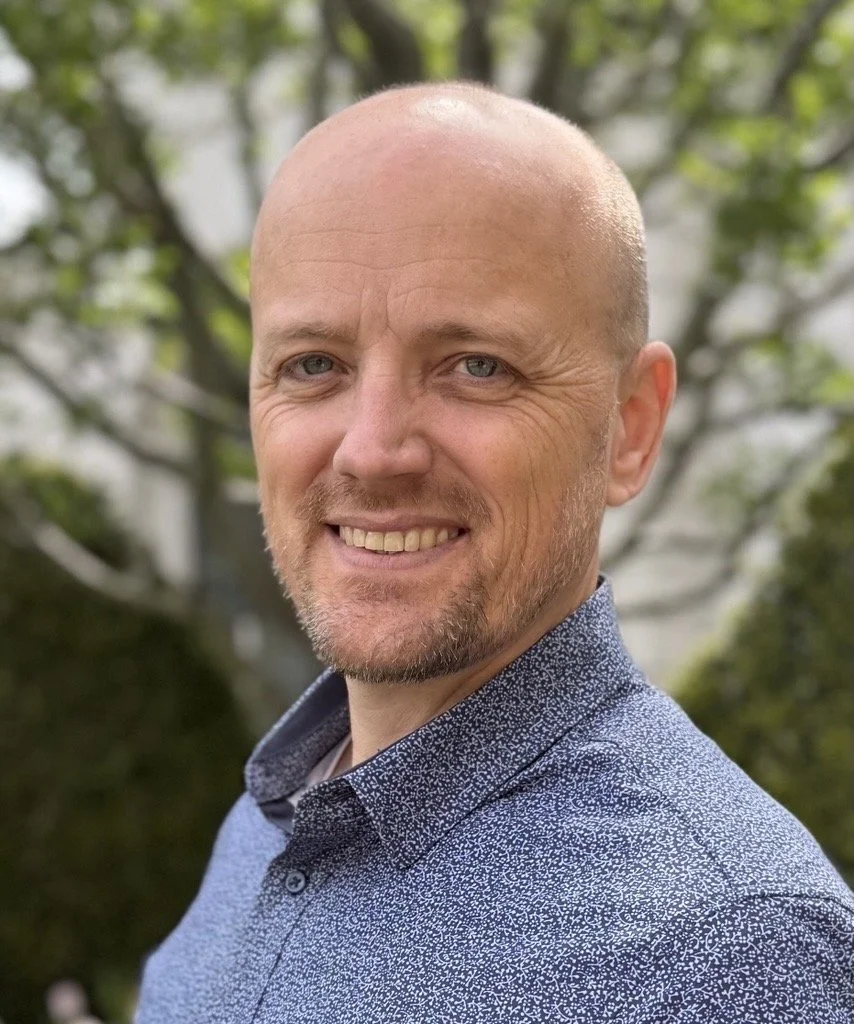
Vice President Strategy and Academic Affairs, Rio Salado College
Janelle Elias
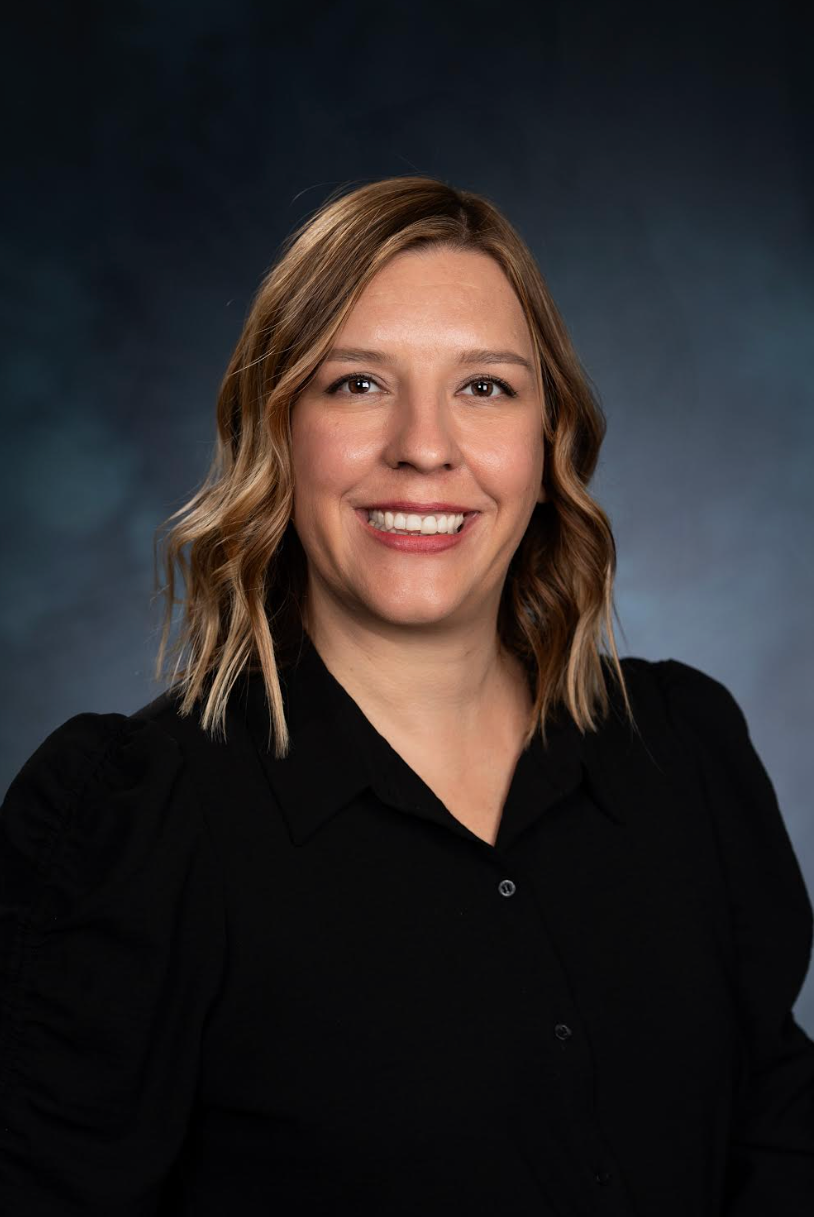
Faculty Chair, Communication, Rio Salado College
Julie Cober
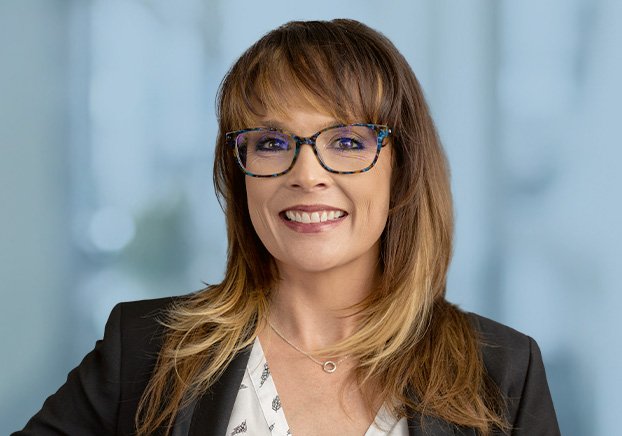
Faculty Chair, Educator Preparation Programs, Rio Salado College
Jennifer Gresko

Faculty Chair, Health Sciences, Rio Salado College
Beth Siwek

Professor, Psychology; AI Assessment Faculty Fellow, Teaching and Learning Center, Lorain County Community College
Vincent J. Granito, Jr., Ph.D.
Instructional Designer, Miami Dade College
Mariah Schuemann