
Alabama Possible x EAB
From Open Door to Pathway Through: Alabama's Statewide Direct Admission Initiative
How can a state ensure that opening the door to college is just the beginning of the support a student receives?
For many students in Alabama, the journey to postsecondary education is shaped by real structural barriers. Only about 28 percent of Alabamians hold a bachelor's degree or higher, and the gaps are steepest for first-generation students, students from low-income households, and those attending rural high schools. Part of what makes these barriers so persistent is structural: no single organization owns or coordinates the transition from high school to college, leaving students to navigate fragmented admissions processes and unclear next steps often on their own. The barriers become even more apparent in the transition from high school to college. Nationally, roughly 19 percent of college-intending students do not enroll in the fall following graduation, a rate that climbs to 27 percent among those who planned to attend community college.
In fall 2025, Alabama Possible, a statewide nonprofit, launched the Alabama Direct Admission Initiative in partnership with EAB, the Alabama State Department of Education, the Alabama Commission on Higher Education, and the Alabama Community College System. The initiative proactively offers college admission to students without requiring applications, fees, or essays. For students, particularly those who might never have seen themselves as college-goers, the experience is fundamentally different. Instead of wondering whether they belong, they open a platform and find colleges that have already said yes. The initiative quickly gained traction: 39 in-state institutions signed on, generating more than 120,000 admission offers and over $7.2 billion in scholarship opportunities for over 18,000 Alabama high school seniors in its first year.
Through this partnership, Alabama Possible is now building on that foundation to transform Alabama Direct Admission from an access-focused intervention into a comprehensive student success ecosystem. This includes building data infrastructure, real-time dashboards, and coordinated intervention tools to track students across the full journey and equip counselors and community partners with tools to support them. The partnership will support students around key milestones like FAFSA completion and enrollment by delivering personalized communications. A key focus will also be on helping students connect their postsecondary choices to real workforce outcomes, understanding how their chosen program aligns with in-demand fields, employer needs, and career paths available in Alabama's economy.
By the end of the partnership, the initiative aims to reach 60 percent of Alabama's high school graduating class, with measurable gains in enrollment, persistence, and student support along the way. The broader vision is a system where the question is no longer whether students can get in, but whether the system is ready for them.
COLLABORATORs
Executive Director, Alabama Possible
Chandra Scott
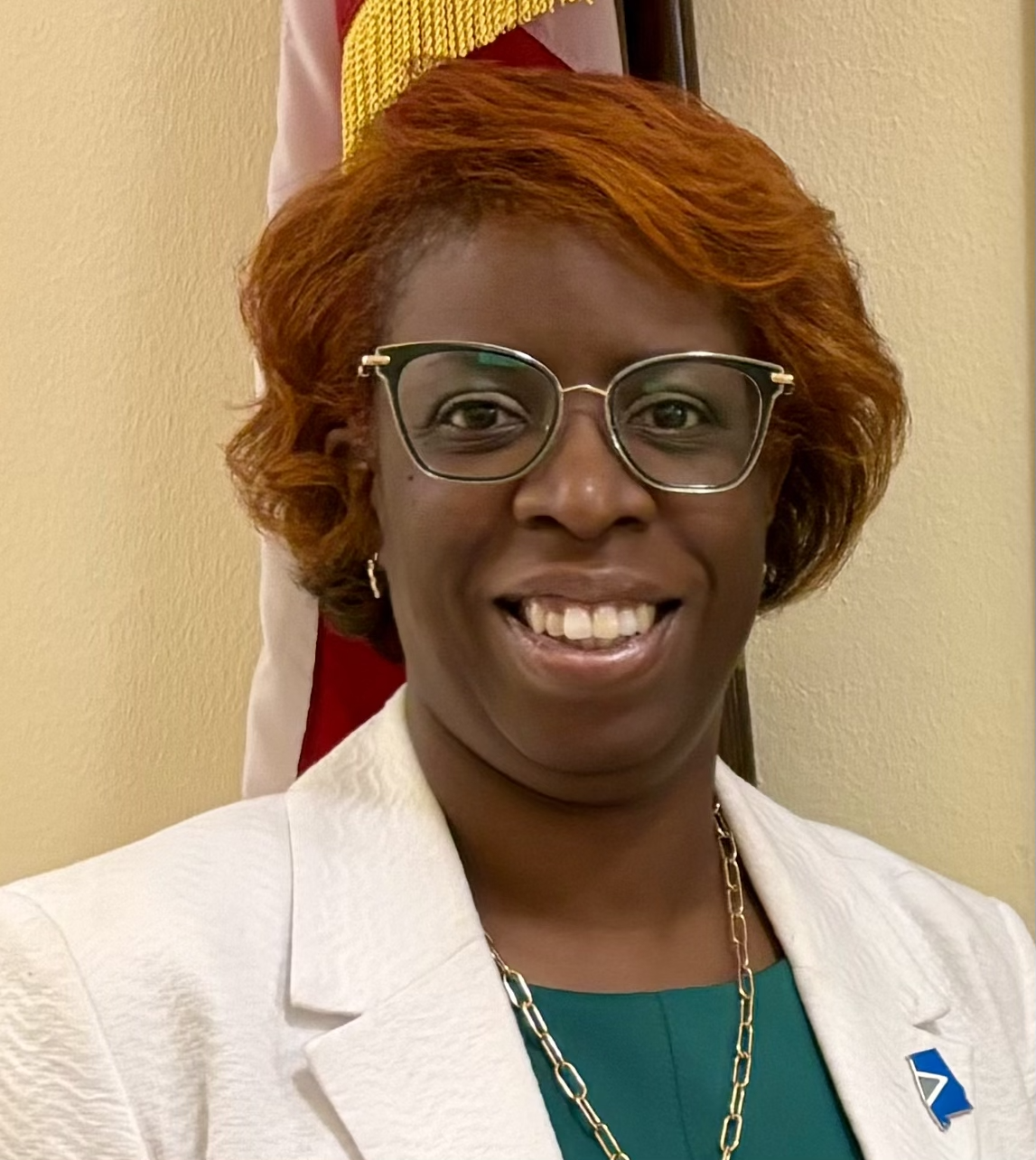
Deputy Director, Alabama Possible
Manisha Mishra